
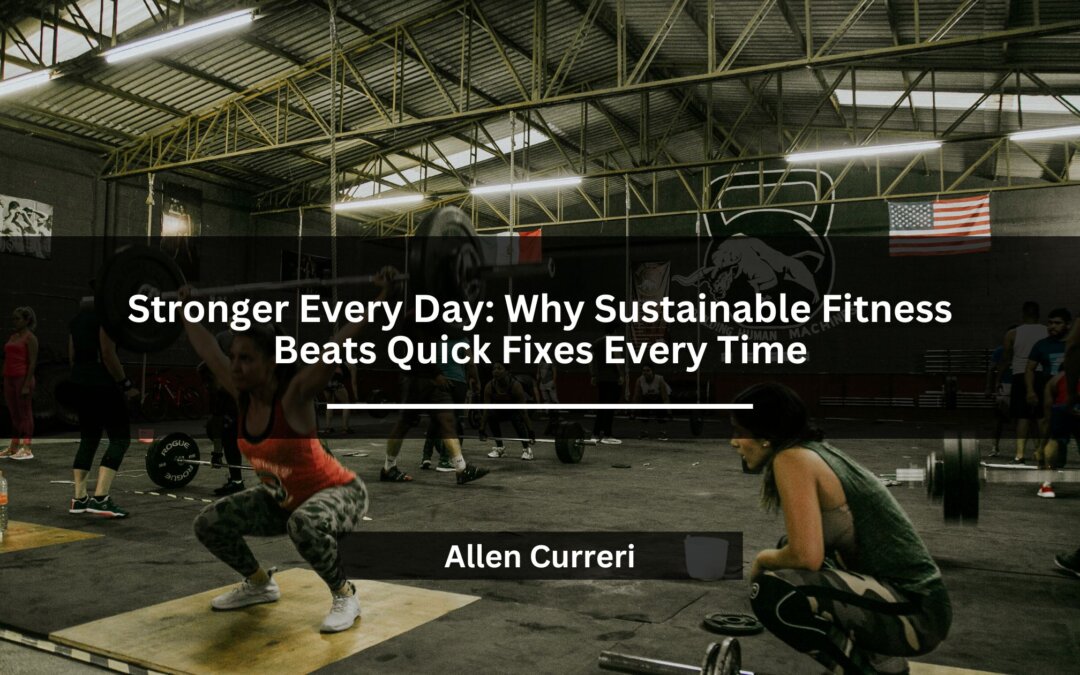
In a world filled with fitness trends, transformation challenges, and flashy workout programs, it can be tempting to chase quick results. But true wellness — the kind that lasts — doesn’t come from shortcuts. It comes from sustainable habits, balanced routines, and a commitment to becoming just a little stronger, healthier, and more energized every day.
Sustainable fitness begins with consistency, not intensity. While high-intensity workouts can be effective, they aren’t always realistic for long-term adherence. What matters most is building a routine you can maintain — whether it’s strength training three days a week, daily walks, morning yoga, or a mix of activities that match your lifestyle. When exercise becomes a natural part of your routine rather than a temporary sprint, the results are deeper and longer-lasting.
Another pillar of lasting fitness is mind-body connection. Movement shouldn’t feel like punishment; it should feel like care. Listening to your body — knowing when to push and when to rest — helps prevent burnout and injury. Practices like stretching, breathwork, and mindful recovery enhance performance and keep your body functioning at its best.
Nutrition, of course, plays a critical role. Instead of extreme diets or restrictive eating, sustainable fitness embraces balanced nutrition: whole foods, lean proteins, complex carbohydrates, and healthy fats. Food is fuel, and the right nutrients support energy, muscle growth, mood, and overall health. Hydration is equally important — even slight dehydration can affect performance and focus.
Strength training deserves special praise in sustainable fitness. Building muscle increases metabolism, supports bone density, improves posture, and enhances everyday functional movement. Contrary to old myths, strength training benefits everyone — young, old, men, and women. It’s one of the most efficient ways to build long-term health.
Equally important is the role of rest and recovery. Sleep is where your body repairs and strengthens itself. Without proper rest, workouts become less effective and stress hormones rise. Recovery days are not signs of laziness — they are essential parts of a successful fitness plan.
Mental health also intertwines with physical wellness. Exercise releases endorphins, reduces anxiety, and boosts overall well-being. But beyond the chemical benefits, achieving fitness goals builds confidence and resilience. Each workout becomes a reminder of your capability and strength — both physically and mentally.
The beauty of sustainable fitness is that it isn’t about perfection. It’s about progress. It’s about building routines that align with your life, celebrating small wins, and understanding that long-term transformation happens through patience and commitment.
Fitness isn’t a finish line — it’s a lifelong journey. And when approached with balance, intention, and joy, it becomes a powerful foundation for living stronger, healthier, and happier every single day.